
Quality & third-party testing
Third-Party Component Inspection and Testing
5Chips coordinates electronic component inspection and testing with independent laboratories such as White Horse Laboratories. We help define the inspection scope and arrange sample handover. The laboratory performs the agreed checks and issues a report documenting the samples, methods, results and limitations.
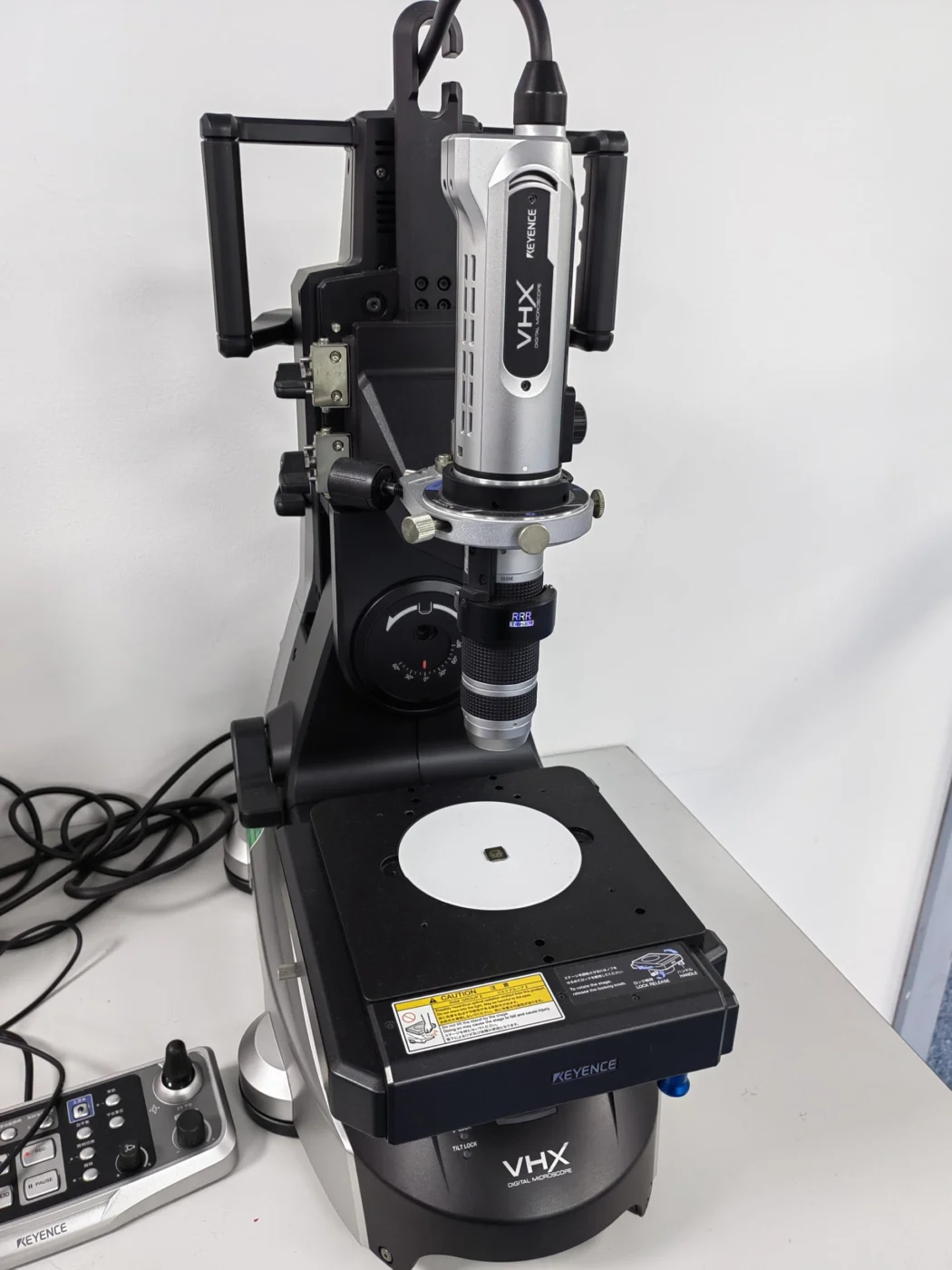
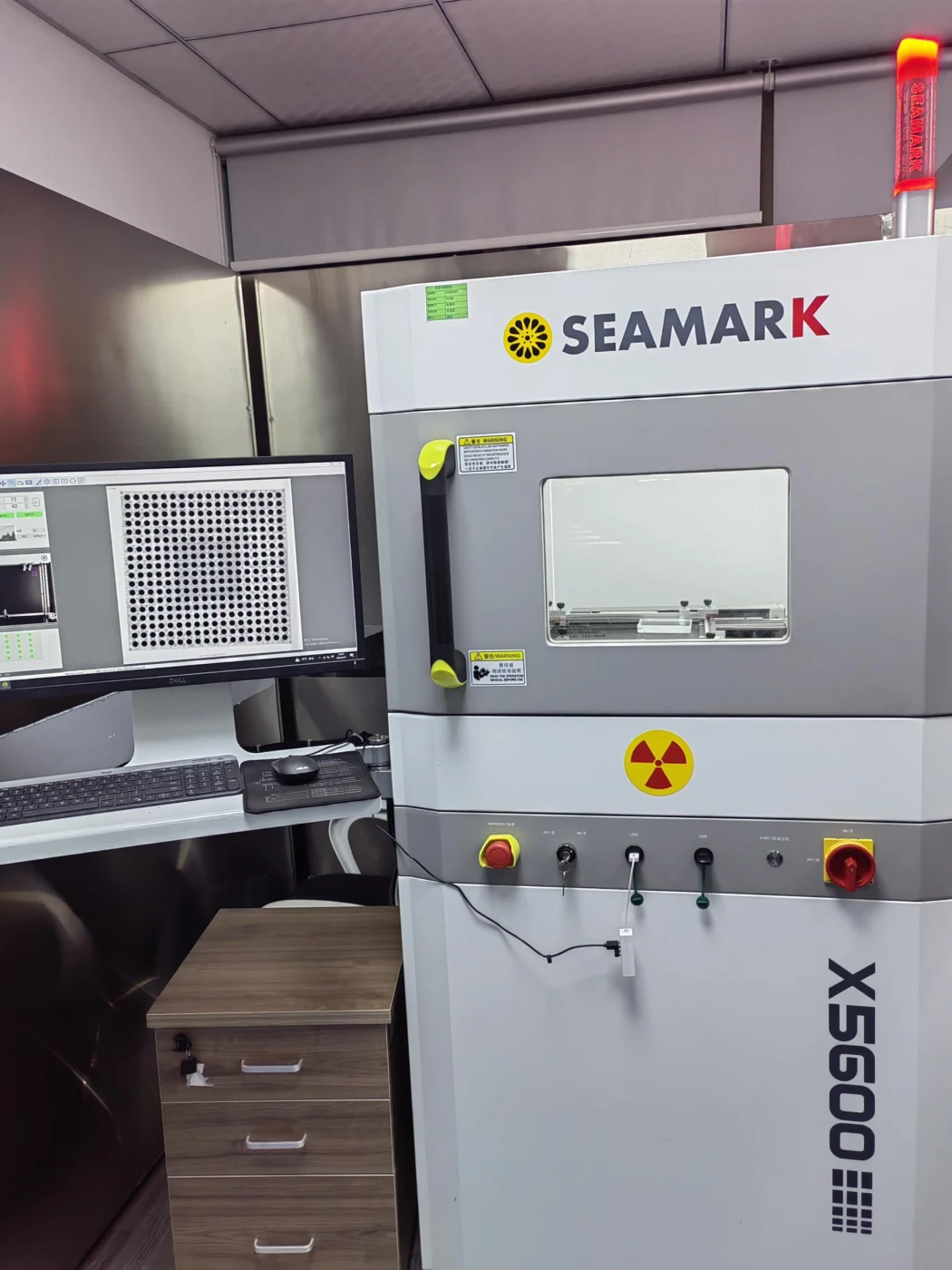
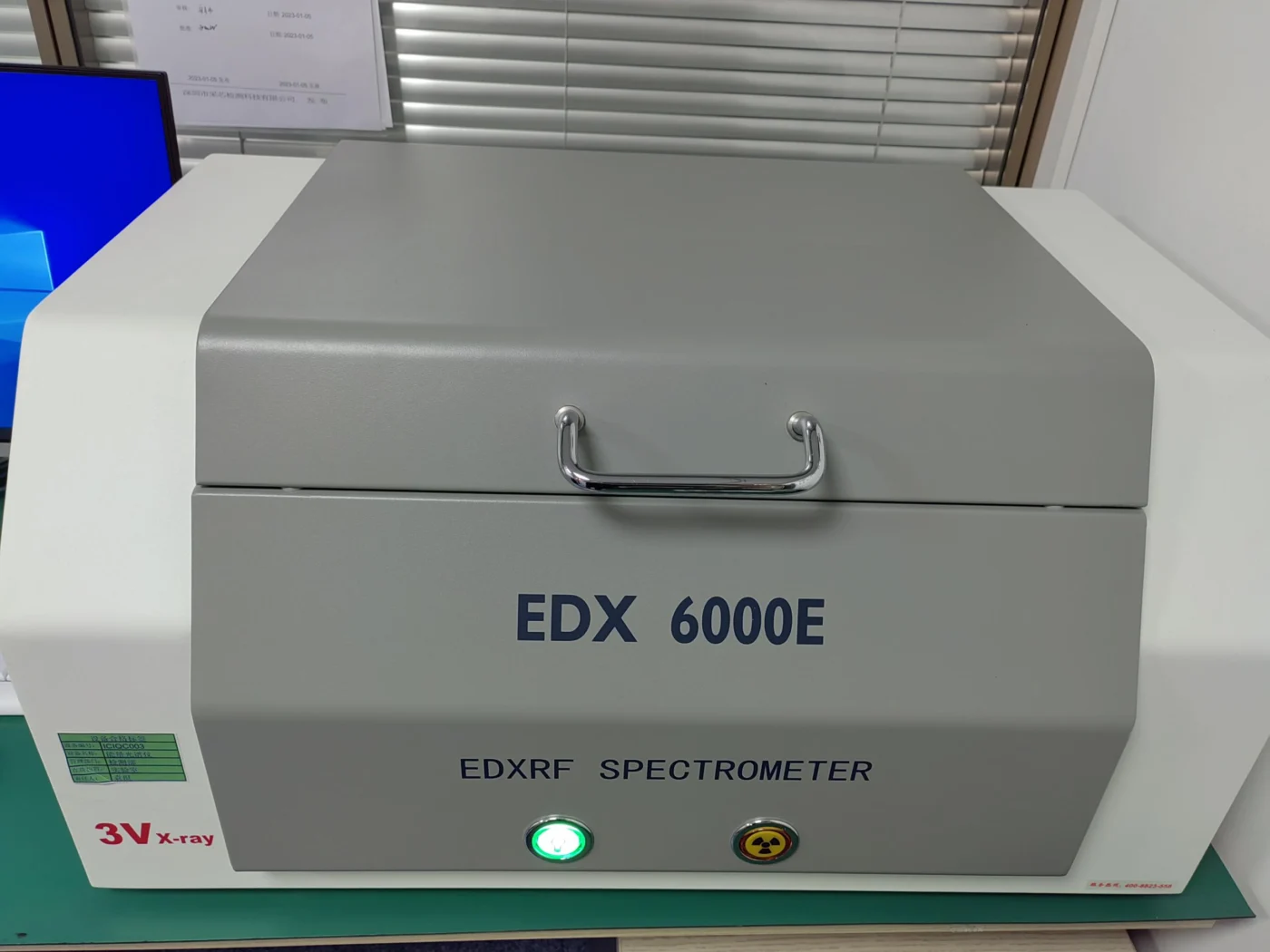
The photographs above show reference equipment used in third-party inspection.
Reference: White Horse Laboratories: testing laboratory
Independent laboratory testing
From testing brief to laboratory report
The process below takes your component question through scope review, sample handover and the laboratory report.
Share the question and samples
Provide the full MPN, batch details, quantity, available records and the issue or requirement to investigate.
Obtain a proposed test scope
The laboratory assesses feasibility, sample needs, methods, test conditions and reporting scope.
Confirm the plan
Agree sample quantity, fees, timing, acceptance criteria and permission for any destructive work before arrangement.
Arrange testing
Coordinate the sample handover and identification under the agreed plan. Any change to scope needs confirmation.
Review the laboratory report
Check the device and sample identifiers, methods, conditions, results and limitations. Discuss any discrepancy and the next action against the agreed order terms.
Before you authorize testing
Define the inspection scope before testing
External condition, component identity and electrical performance require different evidence. Use the inspection options below to discuss the question your laboratory test plan needs to answer.
Markings and physical condition
The laboratory can examine package markings, surface texture, pins and solder balls, with marking permanency or resurfacing checks where needed. Review these observations alongside the other inspection evidence.
Dimensions, labels and packaging
The laboratory can compare package dimensions with the drawing, check labels against the supplied part information, and inspect trays, ESD and moisture protection. Labels and packaging alone do not confirm authenticity.
Internal examination when needed
Decapsulation exposes the die structure and markings for laboratory analysis. It is destructive and requires a separate agreement on purpose and sample quantity.
Samples and report requirements
Agree the sample quantity for each method, report content, sample handling and return arrangements in the test plan. A sample used for one check is not necessarily used for every other test.
Historical inspection case
External Inspection and Decapsulation of a Xilinx FPGA
A component can appear consistent with its markings while questions about its exact identity remain. This historical third-party inspection combined external checks with decapsulation to examine components supplied under the part number XC6SLX9-2TQG144C. It shows both the evidence these methods can provide and the questions they can leave open.
Requested part number
Xilinx XC6SLX9-2TQG144C
Independent laboratory
White Horse Laboratories Ltd.
Report date
20 April 2024
Quantity received
600 pieces
External visual inspection
13 samples
Additional sample checks
Remarking / resurfacing: 1 sample; decapsulation: 1 sample
Sample quantities are listed by inspection method. They should not be added together as separate groups or read as evidence that all 600 pieces underwent every check.
What the inspection examined
Inspection-method illustrations; not photographs of the inspected samples.
Method illustration, not a sample photograph.
External condition and markings
The laboratory examined markings, package bodies, leads and mechanical characteristics on 13 samples. The report also records a one-sample check for remarking or resurfacing. Together, these checks addressed visible condition and possible signs of alteration; they did not test how the components operate in a circuit.
Method illustration, not a sample photograph.
Labels, trays and protective packaging
The inspection recorded labels and packaging, including trays, moisture-barrier packaging and humidity indicators. These observations help relate the supplied identification and packing condition to the samples received. They do not, on their own, establish the component’s full supply history or confirm its exact identity.
Method illustration, not a sample photograph.
Decapsulation and die identification
One sample was opened so the laboratory could examine the die structure and markings. The findings supported identification of Xilinx as the manufacturer, but did not establish traceability to the requested part number. That distinction is central to interpreting this case: manufacturer identification does not resolve every part-number question.
Inspection photographs
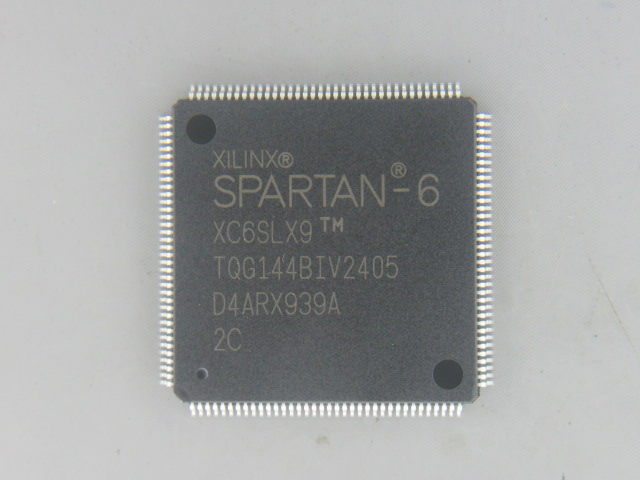
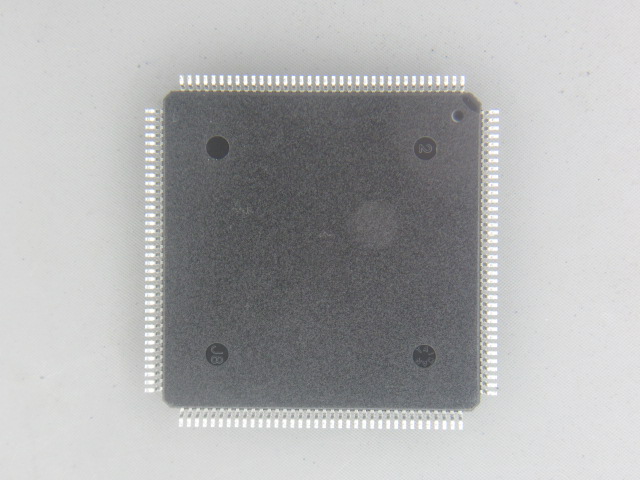
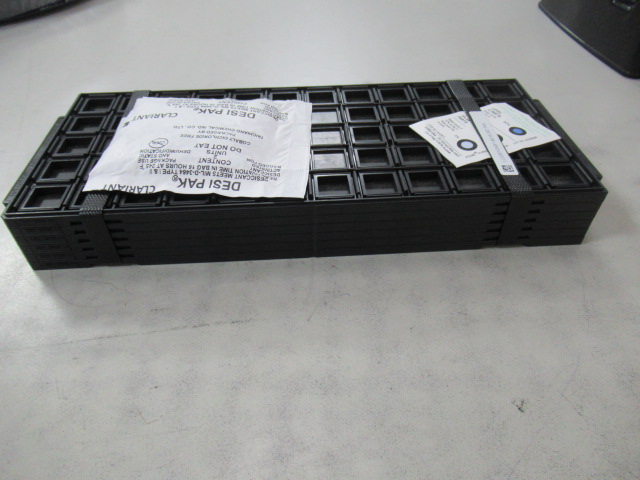
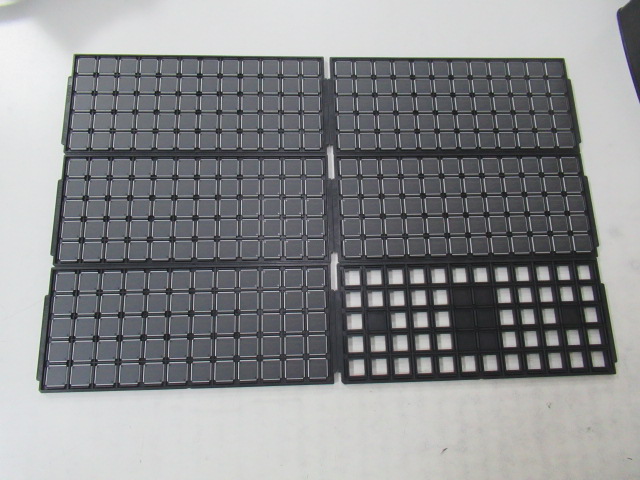
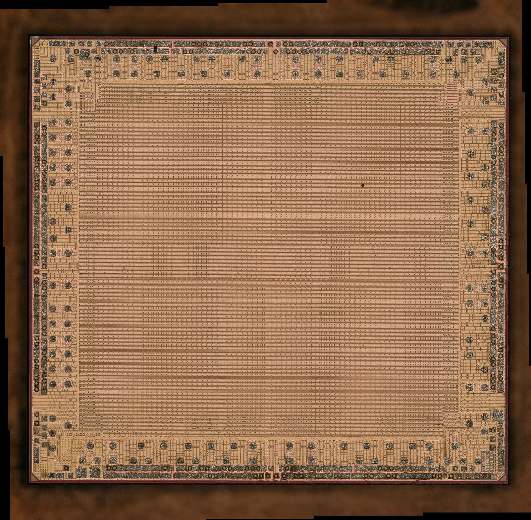
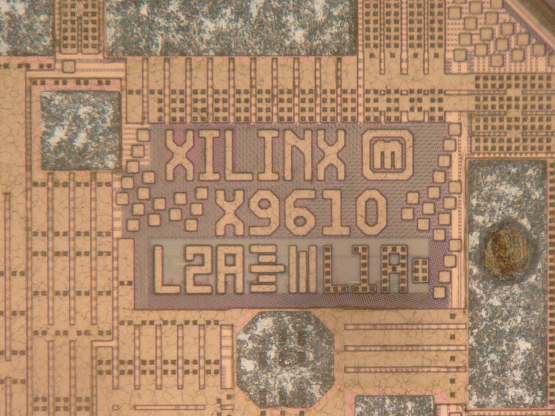
Source: White Horse Laboratories Ltd., historical inspection dated 20 April 2024. Findings apply to the inspected samples and the checks performed.
An acceptable result, within a defined scope
The report recorded an overall result of “Acceptable” based on the inspections performed. Read alongside the detailed findings, this means the reported outcome must stay tied to those checks and samples. The unresolved traceability to the requested part number remains part of the conclusion.
What this inspection did not establish
The report does not provide electrical-performance or reliability-test results, and it does not document inspection of every unit in the 600-piece lot. It therefore should not be treated as full-lot approval or proof that the exact ordered device and its operating performance were verified.
Have a component quality question?
Send the part number, quantity and the concern you need to resolve. Include lot or date-code details where available so we can discuss suitable inspection requirements with you.
If an issue is found
Share the issue and the order details
For a sourcing or test-result concern, share the order reference, affected MPN, quantity, lot or date-code markings, photographs and any available report. Describe the difference from the agreed requirement and the outcome you are requesting.
We review the concern with you against the available evidence and agreed order terms, then discuss any investigation or further testing needed.
Component procurement comes first
Make source and batch requirements clear
For parts that also need sourcing, include approved-source restrictions and required batch records with your quote request. We check which records are available for the quoted parts.
Supplier and source requirements
List approved-source restrictions and the documents your purchasing team requires.
Identity and documentation
Provide the full MPN, manufacturer, package, quantity and any date-code or lot restrictions. List any packaging photographs, batch markings or traceability records needed for review.
Questions that need evidence
Describe concerns about markings, storage history, documentation or performance so the laboratory can assess which evidence and checks are needed.
Partner manufacturing controls
Quality records for your PCBA build
For a PCBA build, inspection and traceability records help you review the assembly work and follow up on questions about a batch. Tell us which checks and documents you need so we can agree the requirements with the selected manufacturing partner before production.
BOM and batch records
Specify the BOM revision, work order and material lots you need linked. Include any incoming inspection or material-handling records required for your review.
Process checks and acceptance
Set the first-article, SPI/AOI and any additional inspection or functional checks in the build plan. Include coverage, samples, acceptance criteria and the records needed for repairs and follow-up checks.
Shipment documentation
Tell us which final inspection results, batch references and packing labels you need with delivery. Agree the document format before production so the records are useful to your receiving team.
Manufacturing records cover the assembly work agreed for your build. If you also need independent evidence of component identity or performance, discuss a separate laboratory test plan.
Testing questions
Is testing included with every order?
Testing is arranged separately for the parts and questions in your request. Before samples are sent, we discuss the laboratory’s proposed scope, sample needs, fees and timing with you.
Can I review a sample report?
Ask whether a suitable, authorized and redacted report example can be shared for your request.
Does a factory certificate replace a component test report?
No. A factory quality-system certificate relates to the named factory and its stated scope. A laboratory report relates to the samples, methods and conditions documented in that report.
Start with your procurement question
Send a testing brief
In the contact form, select Other for a standalone testing inquiry, or Component procurement if testing accompanies a part quote. Begin the requirement description with “Third-party testing request”, then add the device, sample quantity and question to investigate. Use Message for test conditions and reporting needs.